Why the Chimney Comes First in a Remodel
Most remodels are planned around cabinets, walls and finishes. The fireplace gets treated like furniture that stays put. But a chimney is a working system that runs from the firebox to above the roof, and a lot of remodel work changes what is around it.
The cheapest time to find a cracked flue tile, a loose damper or a crumbling crown is before the room is rebuilt. Once new stone, a new mantel and fresh paint are in place, a repair means tearing some of it back out.
An Addition Can Make Your Chimney Too Short
This one surprises homeowners the most. The International Residential Code (section R1003.9) has a height rule for chimneys, often called the 3-2-10 rule:
- The chimney must rise at least 3 feet above the point where it passes through the roof.
- It must be at least 2 feet higher than any part of the building within 10 feet of it.
A second-story addition, a raised roof or a new gable next to the chimney can break the second part of that rule. The chimney that drafted fine for 30 years starts pushing smoke into the living room because the new roof line sits above it. The fix is usually extending the chimney, which is easier to plan before the addition is framed than after.
If you are planning a room addition, ask your remodeler how close the new roof will be to the chimney, and have the chimney checked against the rule while the plans are still on paper.
Opening a Wall Next to a Fireplace
Open living spaces are one of the most common remodel requests. In many homes the fireplace sits right in the middle of the wall that is coming out.
A masonry chimney is heavy and usually stands on its own footing. The walls around it may carry ceiling or roof load. Whether a wall can come out is a question for a remodeler and an engineer, not a chimney sweep. Our job is the chimney side: making sure the firebox, smoke chamber and flue are sound before the room is rebuilt around them.
Done well, the fireplace becomes the center of the new room. Austin remodeler Prime Construction & Remodeling, led by second-generation builder Jesse Dadon, did exactly that on a project they call Newhall Lane: a kitchen opened to the living room, with structural framing behind it and a marble fireplace built into the same space. Carrying the stone from the counters onto the fireplace is what makes the two areas read as one room.
Switching to Gas or Closing Off the Fireplace
A remodel is a natural time to change how the fireplace works. The two most common changes:
- Wood to gas. A change in fuel type is one of the times NFPA 211 calls for a Level 2 inspection. A gas insert usually needs its own liner sized to the appliance. Vented gas logs change how the damper is set. Both should be planned before the new surround goes on.
- Closing it off. If you will never use the fireplace again, the chimney still needs a cap to keep out rain and animals, and a damper that seals. An unused chimney with an open top lets water into the masonry every time it rains.
Protect the Flue During Demolition
Construction dust is hard on a fireplace. Drywall dust, plaster and broken brick can fall into the firebox, settle on the smoke shelf, or jam the damper. Before demolition starts:
- Close the damper.
- Seal the firebox opening with plastic sheeting and tape.
- Keep tools and debris off the hearth.
- When the work is done, have the chimney swept and inspected before the first fire.
The Right Order of Work
| Step | Who | When |
|---|---|---|
| Chimney inspection (Level 2 if the system will change) | Chimney company | Before plans are final |
| Check new roof lines against the 3-2-10 rule | Remodeler and chimney company | During design |
| Structural review of walls next to the chimney | Remodeler and engineer | Before demolition |
| Liner, damper, cap or crown repairs | Chimney company | Before new finishes go on |
| Sweep and final check | Chimney company | After construction, before the first fire |
Who to Call
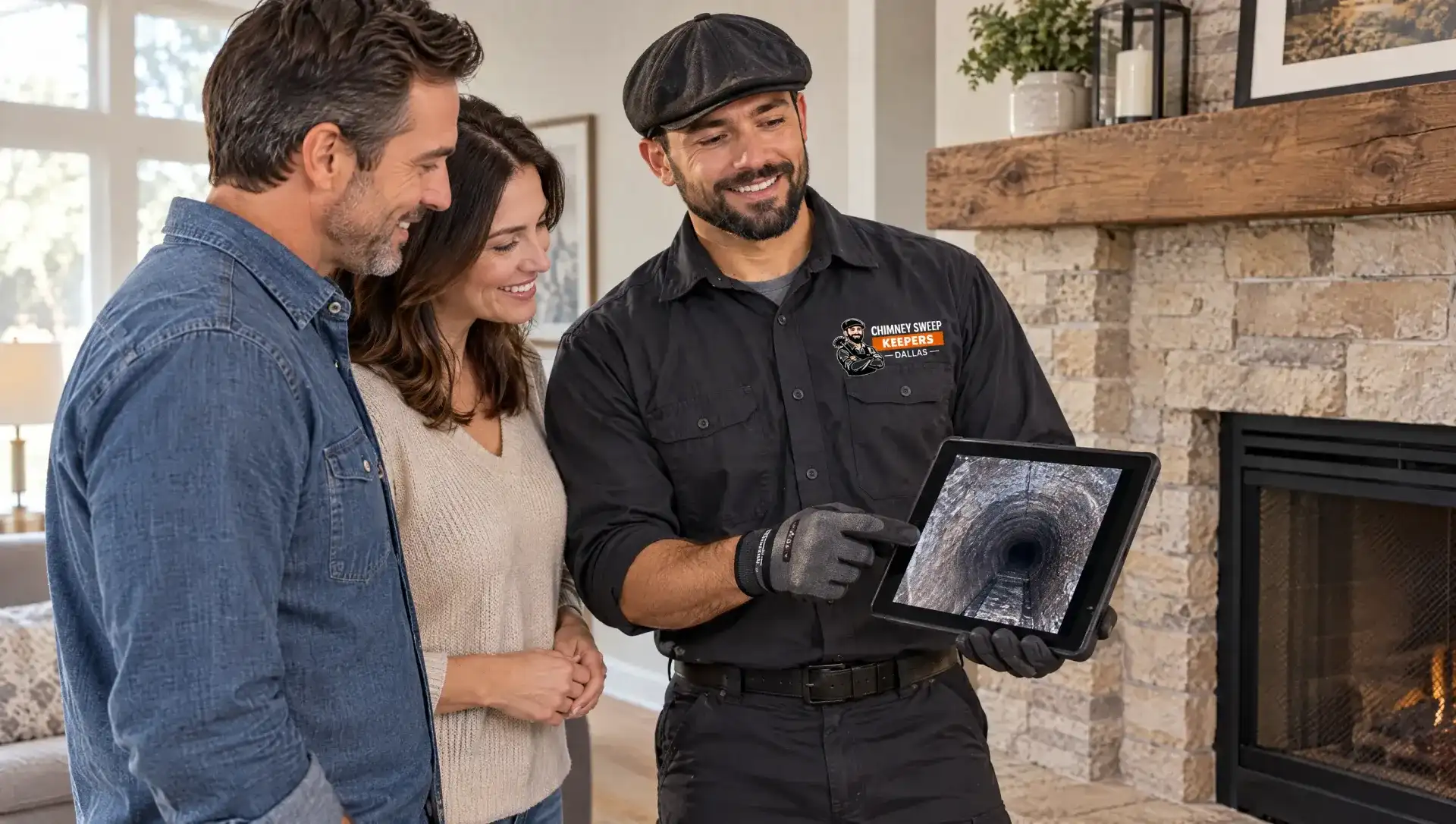
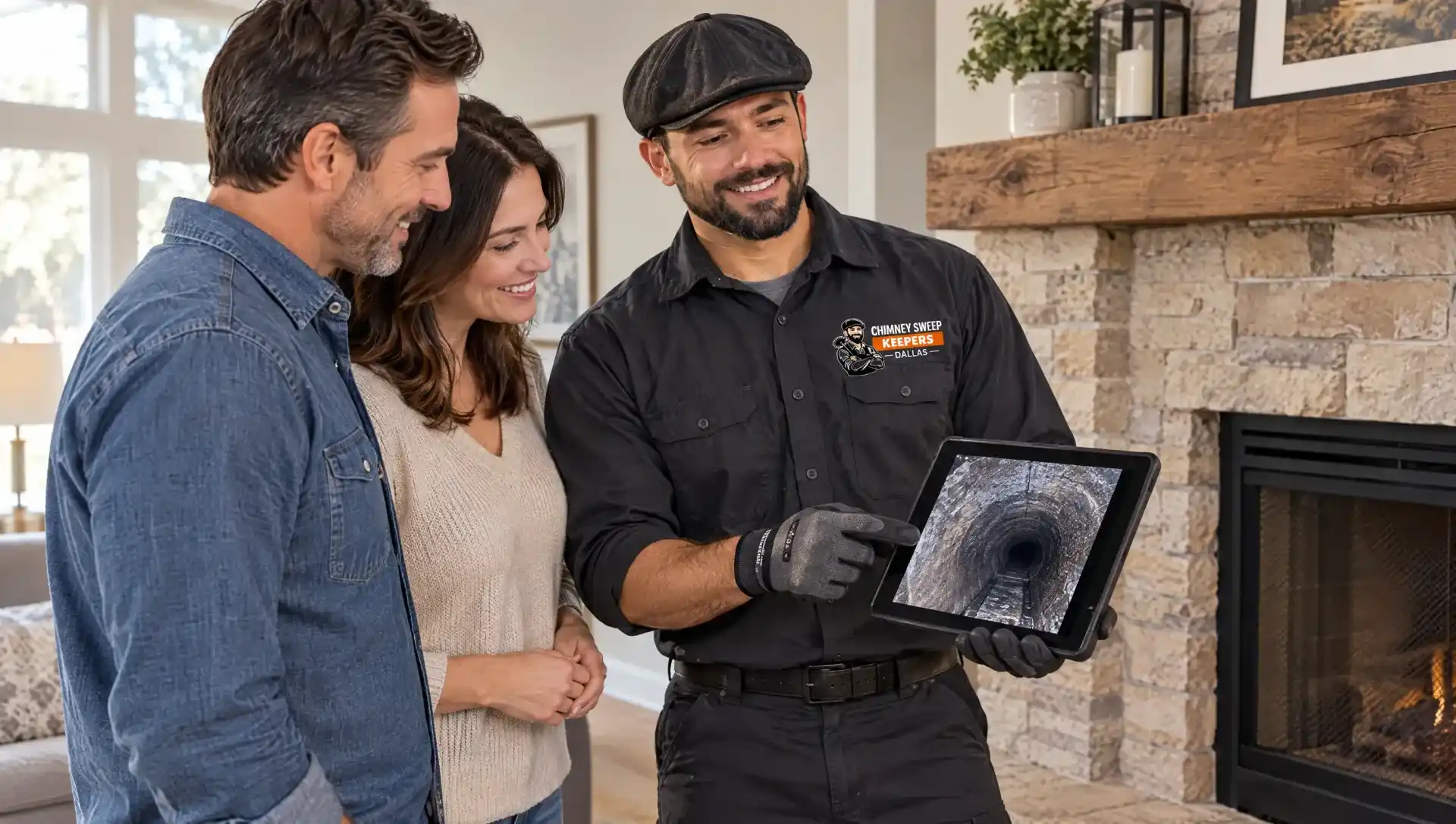
If you are in Dallas–Fort Worth, Chimney Sweep Keepers handles the chimney side: Level 2 inspections with a full video scan, chimney relining for gas conversions, and chimney rebuilds when a chimney has to be extended. Call (469) 206-2085.
If you are remodeling in Austin or the hill country, Prime Construction & Remodeling handles whole-home renovations and home additions in Austin, from their office at 705 N Bluff Dr, Austin, TX 78745, (512) 948-9398.